Where Medication Stops, TMS Starts.
Deep TMS treats depression and OCD with targeted magnetic pulses, no pills, no anesthetic, no downtime. Most patients drive themselves home after every session.
Ask us anything

30 Sessions of Deep TMS Response Rate
30 Sessions of Deep TMS Remission Rate
Years Treating Depression in OH
Five Star Google Reviews
Is this you?
For patients past the first round of medication.
TMS isn't where most psychiatric care starts. It's where care continues when antidepressants and therapy haven't moved the needle far enough.
What it does
A magnet, not a medication.
TMS uses a focused magnetic pulse to stimulate the specific brain regions that go quiet in depression and get stuck in OCD. The pulse passes painlessly through the scalp and skull. Repeated across a course of sessions, it helps those regions function more normally - without putting anything chemical into your bloodstream.
Because the treatment is local rather than systemic, you avoid the side effects that drive a lot of patients off antidepressants in the first place. No weight gain. No effect on libido. No mental fog. You stay alert through every session and go straight back to your day after.
We use BrainsWay
Deep TMS - the H-coil system that reaches three to four centimetres into the cortex. Most TMS clinics in central Ohio still run figure-8 coils that stimulate only the surface. Deeper reach means broader stimulation of the actual circuits involved, and a different coil for each condition: H1 for depression, H7 for OCD.
The treatments
Three protocols. The same psychiatrist behind each one.
TMS for Depression
The coil sits over the left dorsolateral prefrontal cortex - the region tied to mood regulation, reward, and behavioural drive, which tends to under-function in depression. Five days a week, Monday to Friday, for around seven weeks. Most insurance plans pay for it - Medicare, Medicaid, VA, Aetna, Cigna, Anthem, UnitedHealthcare, Humana, TRICARE, and most regional Ohio carriers. The prior authorization paperwork is filed by our team, not handed back to you.
BrainsWay's Phase IV published clinical data reports an 81% response rate and 65% remission rate after 30 sessions of Deep TMS, across 1,351 patients at 21 sites. The figures aren't a guarantee. A portion of patients don't respond, and if you're one of them, Dr. Blair will tell you at the outcomes meeting and walk through what to try next.
TMS for OCD
The OCD protocol uses the same BrainsWay system but with a different coil (the H7) positioned over the medial prefrontal cortex and anterior cingulate cortex - the nodes in the cortical–striatal–thalamic–cortical circuit that drive the loop of obsessive thought and compulsive response. Sessions tend to be shorter, around 20 minutes.
Insurance coverage for OCD TMS is patchier than depression. Some plans approve it readily, others won't. We check your specific plan before you book the course and tell you what your out-of-pocket is likely to be. Outcomes also vary more, and Dr. Blair will give you an honest read on what to expect based on your history.
Accelerated TMS
Same protocol, same equipment, packed into a single working week. Ten sessions a day across five days. Built for patients who can take a week off and would rather get the full course done in one block than spread it across two months.
Self-pay only. No insurance plan currently covers the accelerated schedule.
Your first visit, start to finish
Up to 20 minutes in the chair
Your first session runs a few minutes longer than the rest - we calibrate the machine's intensity to your motor threshold, a quick, painless setup step. Every session after that runs identically.
You recline. A technician fits the coil against your scalp and stays with you the full time. You'll hear a steady clicking sound and feel a tapping sensation across the treatment area. Most patients read, listen to music, or scroll their phone.
When the session ends, you walk out and carry on with your day. No recovery, no driver, no time off work.
Cost & insurance
Prices on the page
Self-pay below. We confirm your insurance cost in writing - before you start.
TMS for Depression
Standard six-week protocol
TMS for OCD
Different protocol, same equipment
Accelerated TMS
Full course in a single week
Initial consultation: $200 (self-pay only). CareCredit financing available for any out-of-pocket portion.
We file your prior authorization paperwork. Most insurers respond within two weeks.
30+ plans accepted, including



Your journey
From first call to last session.
Prior authorization
Our team submits the paperwork to your insurance. Some carriers approve in a day, others take up to two weeks. You don't have to chase them.
Daily treatment
Monday through Friday, between 7am and 5:30pm. Each session runs 20 to 30 minutes. You'll see the same small team throughout.
Outcomes meeting
On your last day, Dr. Blair reviews how you responded and talks through what comes next - maintenance sessions, other treatments, or nothing further if you're done.
Maintenance, if it helps
For patients who respond well and want to protect the gains, periodic top-up sessions are an option. Insurance doesn't typically cover maintenance - we'll quote the cost up front so it's your call, not a surprise.
The Optimum difference
Same Treatment. Different Experience.
What patients tell us they don't get at most TMS clinics, and what we've built into the standard at Optimum from day one.
Founded and led by a board-certified psychiatrist
A team patients remember by name
BrainsWay deep TMS equipment
Standard and accelerated TMS options
Treatment for depression, OCD, and anxiety
Costs confirmed in writing before you start
Typical Clinic
✕
✕
✕
✕
✕
✕
What You're Probably Wondering
Straight Answers to the Questions We Hear Most.
How do I know if it'll work for me?
You don't, and neither do we, until you start. The published data on Deep TMS shows an 81% response rate at 30 sessions, but a portion of patients don't see meaningful change. If you're approaching the end of the course and the needle hasn't moved, Dr. Blair will say so plainly and walk you through the alternatives rather than pushing you through more sessions.
When do most patients start to notice a change?
It varies more than people expect. A small group notice something inside the first couple of weeks. The majority don't feel it until week three or four. Some patients hit a stretch around weeks two to three where symptoms briefly worsen before lifting — Dr. Blair will warn you about that pattern up front so it doesn't catch you off guard.
Do I have to come off my antidepressants?
Standard TMS is 36 sessions, one a day over about six weeks. Accelerated TMS condenses the course into just five days - ten short sessions a day - for people who can't commit to six weeks.
Is there anyone who shouldn't have TMS?
Yes. TMS isn't appropriate for patients with a history of seizures or with non-removable metallic implants in or near the head -pacemakers, cochlear implants, aneurysm clips, deep brain stimulators, and similar. Standard dental fillings are fine. Dr. Blair screens for all of this at the consultation, and if TMS isn't safe for you, he'll say so and discuss alternatives.
Will my insurance pay for it?
For depression, most major plans do — including Medicare, Medicaid, and VA. For OCD, coverage depends on the carrier and is less predictable. Accelerated TMS isn't covered by any insurance. We run your benefits before you commit so the answer is in writing, not a hope. Visit our pricing guide for more information.
What happens if it doesn't help?
You meet with your clinician on your final session regardless of outcome. If TMS hasn't shifted your symptoms, that conversation moves on to Spravato (esketamine), medication adjustments, or other options. You leave with a next step, not a shrug.
Who runs the clinic?
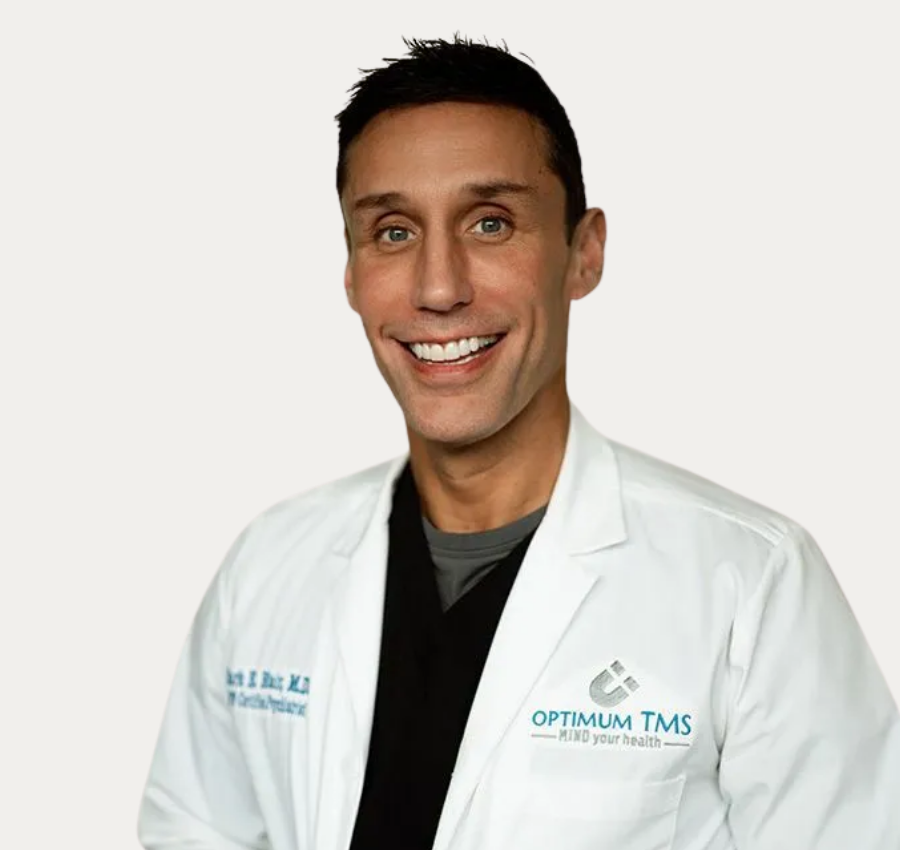
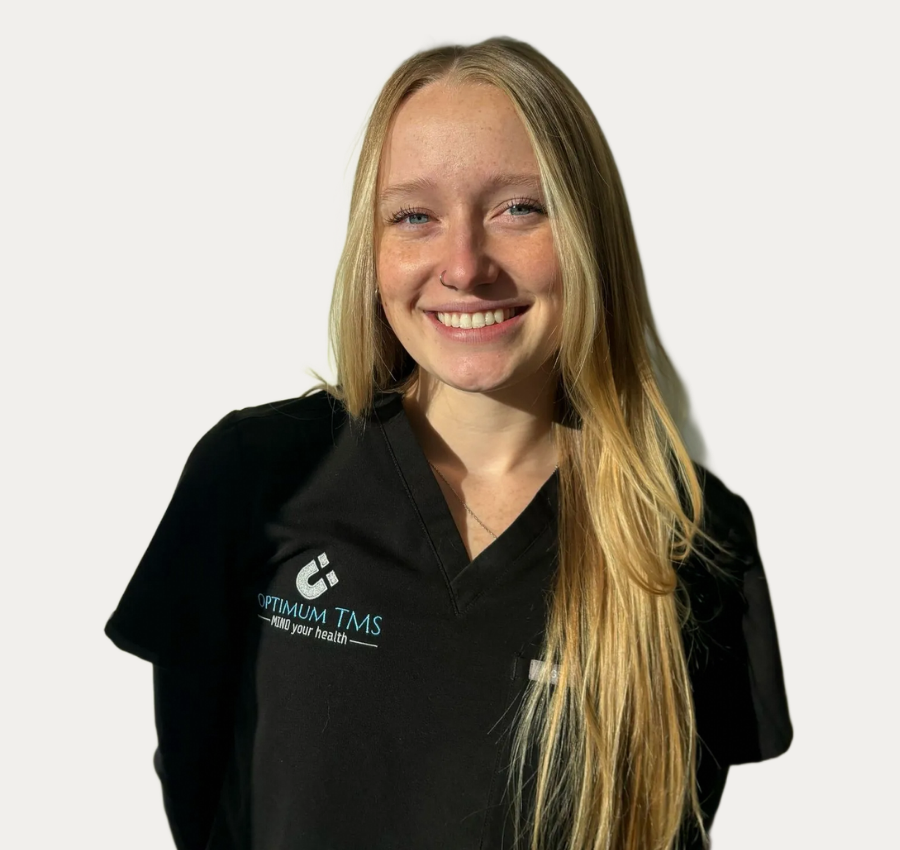
Optimum was founded in 2017 by Dr. Mark Blair, a board-certified psychiatrist. You're cared for by Dr. Blair, psychiatric nurse practitioners, and trained TMS technicians, using BrainsWay Deep TMS equipment. Every candidate is reviewed by a real clinician — never an automated yes or no.
Hear from our patients
Real reviews from real patients.
65+ Five Star Google Reviews →

Find Out If TMS Is Right For You
Start with the 90-second check - no obligation.
Prefer to phone?
614-933-4200